
Leaving the boat as it is at the end of the season can lead to a big bill in spring. In an unused engine, moisture, old oil and stale fuel do quiet damage. The list below summarizes the main points to check, in order, when preparing a boat for winter.
Engine and fuel
- Run the engine to warm it up, then change the oil and oil filter. Used oil contains acid and moisture; leaving it in damages internal surfaces.
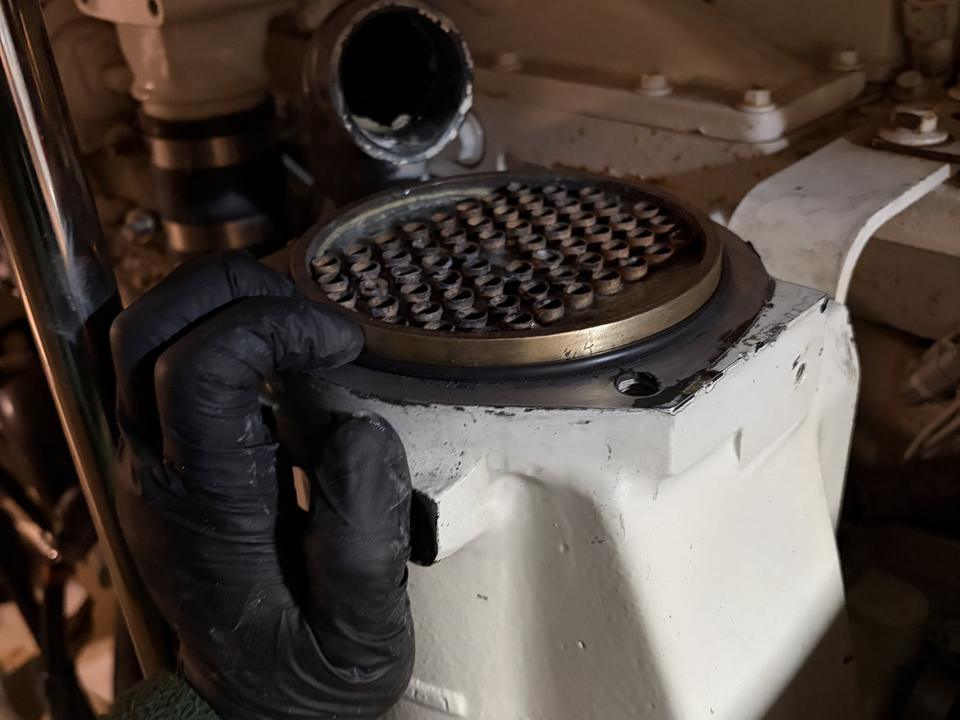
- Flush the seawater cooling circuit with fresh water. Salt residue crystallizes while the engine sits and narrows the passages.
- Protect the fuel system: fill the tank if possible and use a suitable fuel stabilizer. A full tank reduces condensation.
- Check the fuel filter and water separator, and drain any water.
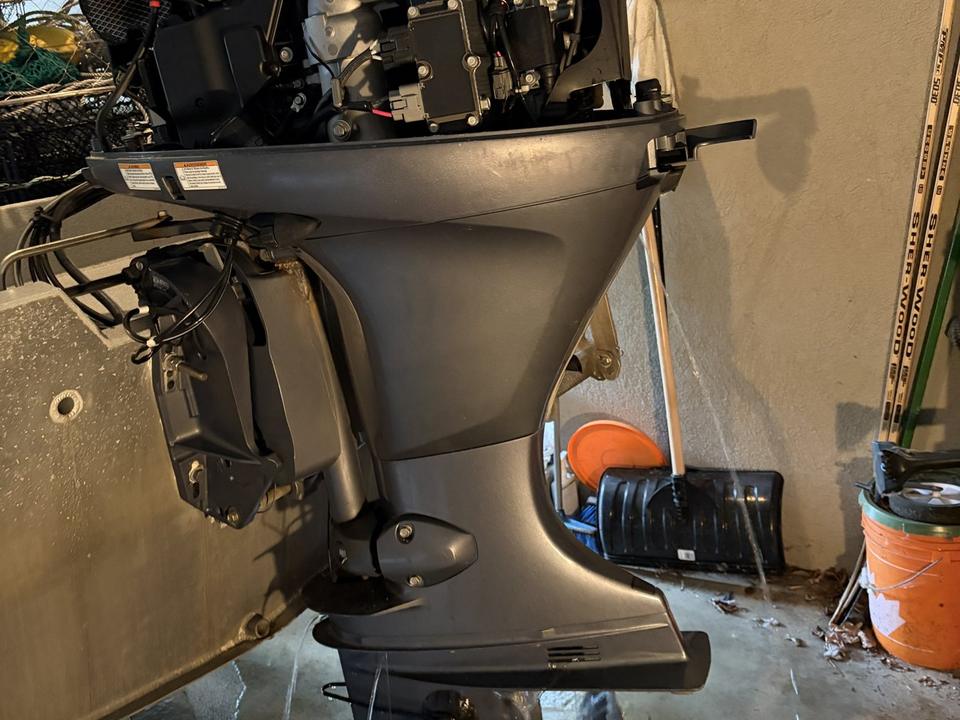
- On outboards, check the lower unit oil; a milky color points to water ingress.
Cooling circuit and freezing risk
In regions where freezing is a risk, the water in the cooling circuit must be drained or replaced with a suitable antifreeze mix. Freezing is rare on the Mediterranean coast; even so, passages that hold water in a long-idle engine are prone to corrosion. Check the engine manufacturer’s winterizing instructions before deciding.
Battery and electrical
- Fully charge the batteries. A discharged lead-acid battery both sulfates and can freeze at a lower temperature.
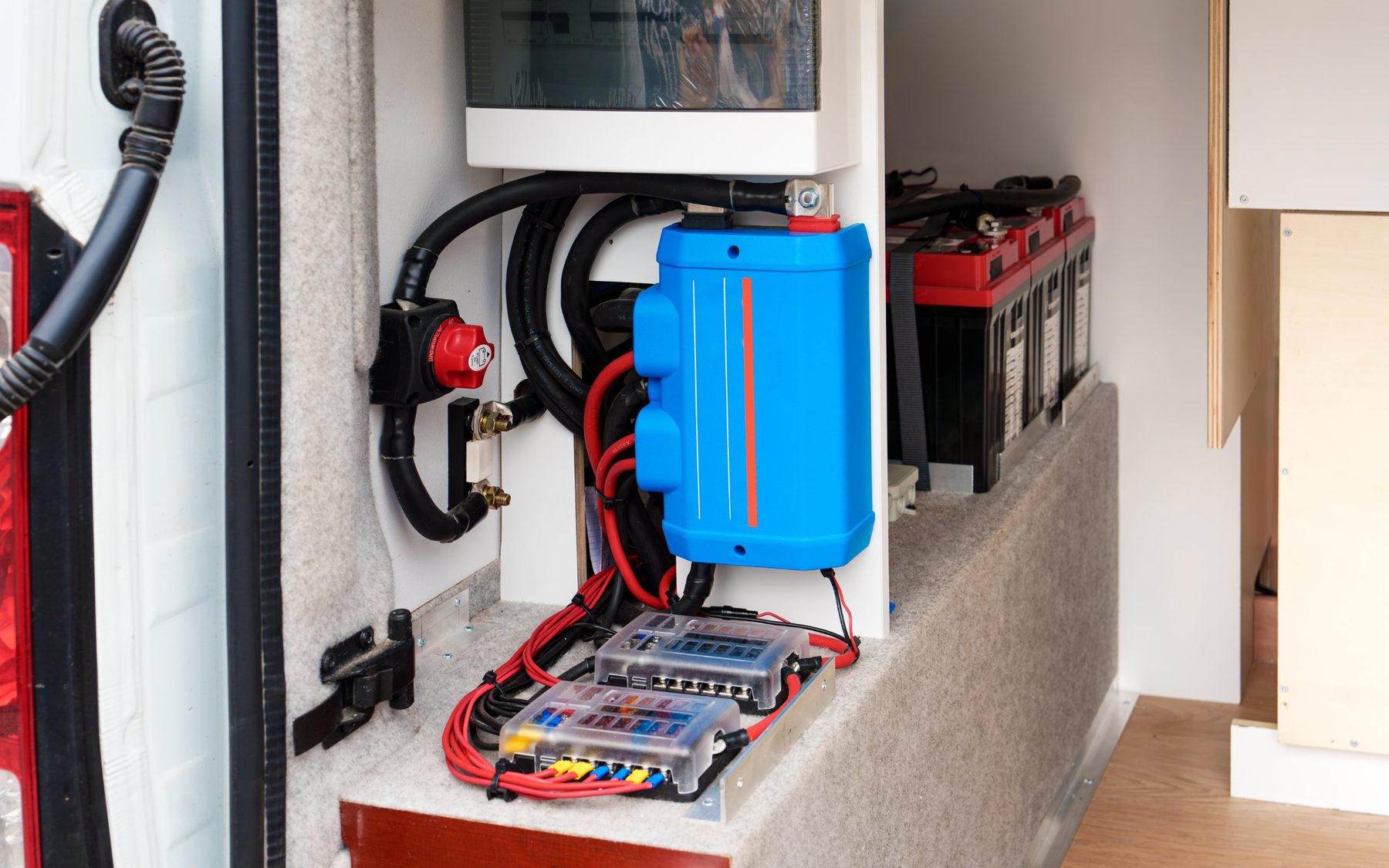
- If you leave the batteries aboard, switch off the main switch and open the battery isolator; devices that draw standby current can drain a battery within a month.
- If the boat will stay connected to shore power for a long time, use a smart maintenance charger.
- Clean any corrosion on the terminals and apply a corrosion protectant.
- Inspect the shore power cable and sockets; replace any ends that are burnt or discolored.
Bilge, valves and underwater hull
- Clean and dry the bilge. A damp, closed bilge produces odor and corrosion.
- Test the bilge pump and its float switch by operating them by hand.
- Open and close the seawater valves (seacocks) to check for seizing.
- Check the condition of the anodes; replace them if more than half has dissolved.
Rain and condensation also get into the boat. If hatches and ports are closed with no ventilation inside, moisture produces mold and odor; leaving a small gap for ventilation is usually enough.
This list is a general framework. Winterizing steps vary with the engine make and model. Consulting a technical service instead of doing a step you are unsure about yourself avoids a surprise bill in spring.
Frequently asked questions
Should engine oil be changed at the end or at the start of the season when winterizing?
It is usually changed at the end of the season. The acid and moisture in used oil can damage internal surfaces when the engine sits for a long time.
Should the battery be removed from the boat in winter?
It is not mandatory. Leave it fully charged, switch off the main switch and, if possible, use a smart maintenance charger. A discharged battery sulfates and can freeze.
Do you come to Adana, Mersin or Hatay for winterizing service?
Yes. The winterizing check is done at the marina or boatyard where the boat is. Besides Adana, Mersin and Hatay, we also plan visits by appointment for Bodrum, Alanya, Antalya and Istanbul.